A septic system doesn’t have to be mysterious or hard to maintain. With a few simple habits and a basic checklist, you can keep your septic tank running smoothly, prevent nasty backups and odors, and avoid expensive repairs.
How a Septic System Works in Simple Terms
Before you start with maintenance, it helps to understand what’s happening underground.
When wastewater from your home flows into the septic tank, it separates into three layers:
- Sludge: heavy solids that sink to the bottom.
- Scum: oils, fats, and grease that float to the top.
- Effluent: relatively clear liquid in the middle that flows out to the drain field.
Bacteria inside the tank break down some of the solids, but not all of them. Over time, sludge and scum build up and eventually need to be pumped out so they don’t overflow into the drain field and cause damage.
Yearly Septic Maintenance Tasks
These are the “big picture” tasks that keep your system healthy over the long term.
1. Schedule a professional inspection
At least once a year, have a licensed septic professional:
- Check the tank, baffles, and lids for damage or leaks.
- Measure sludge and scum levels to estimate when pumping is needed.
- Inspect the drain field for signs of poor drainage or saturation.
Ask them to write down their findings so you can track changes over time.
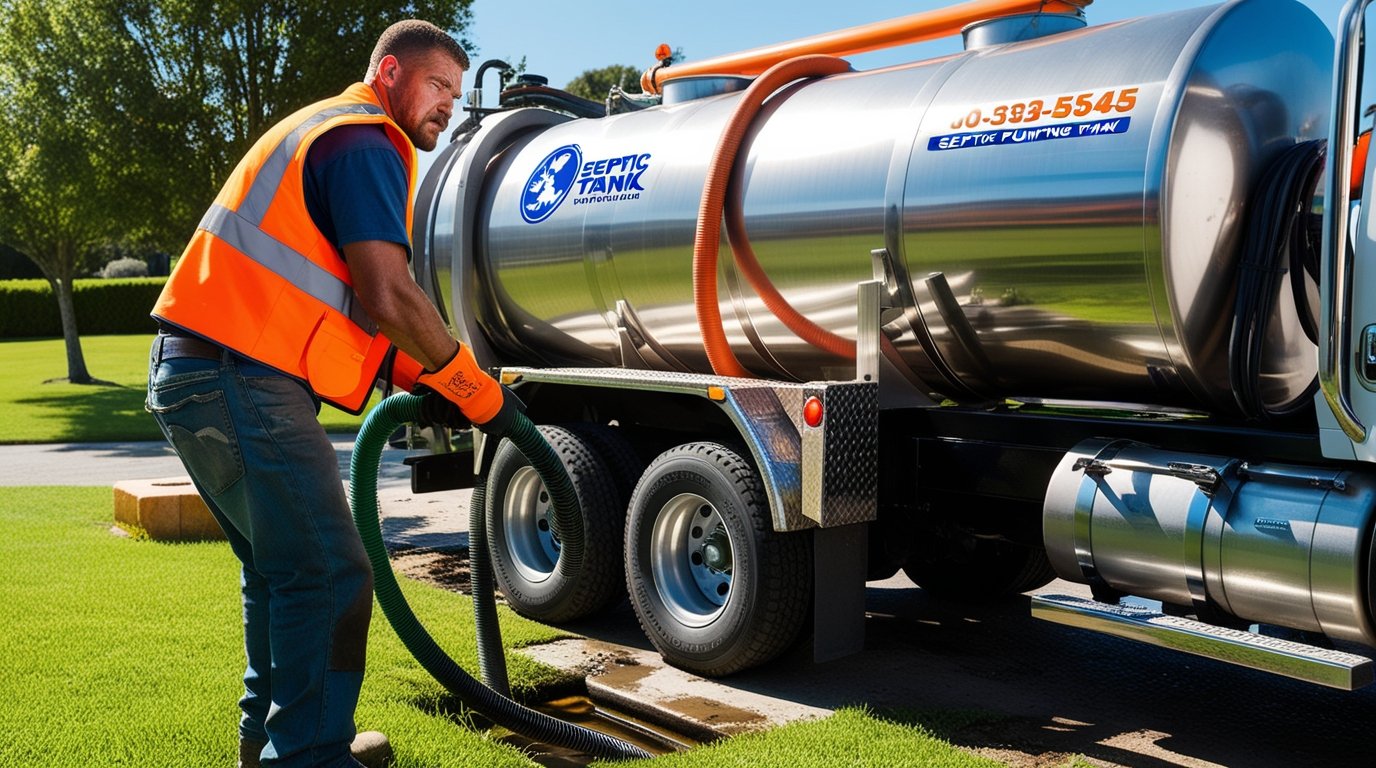
2. Pump the tank as needed (typically every 3–5 years)
Most households need pumping every 3 to 5 years, depending on tank size, household size, and water use. Your inspector can tell you whether it’s time based on sludge levels.
Keep a record of:
- Date of pumping.
- Company name.
- Any problems the technician noticed.
This log will help you plan the next pumping before trouble starts.
Monthly and Seasonal Checks Around Your Yard
Once a month, and especially after heavy rains, walk over the area where your tank and drain field are located.
Look for:
- Wet or soggy spots that don’t dry out like the rest of the yard.
- Unusually lush, bright green grass strips over the drain field.
- Strong sewage odors outdoors near the tank or drain field.
These can be early warning signs that your system is overloaded or that there’s a problem with the drain field. If you see these signs, call a professional for an inspection.
Daily Habits to Protect Your Septic Tank
Everyday behavior inside the house has a huge impact on how well your septic system works and how often it needs pumping.
1. Save water where you can
Less water going into the tank means less stress on the system. Good habits include:
- Fixing leaking toilets and faucets as soon as you notice them.
- Taking shorter showers when possible.
- Spreading laundry loads across the week instead of doing many loads on one day.
- Using high‑efficiency, water‑saving appliances if you can.
2. Be strict about what you flush
A simple rule protects your septic tank:
- Only flush human waste and toilet paper.
Do not flush:
- “Flushable” wipes (they often don’t break down well).
- Paper towels or tissues.
- Feminine hygiene products.
- Cotton swabs, dental floss, or diapers.
These items can build up in the tank, clog pipes, and force more frequent pumping.
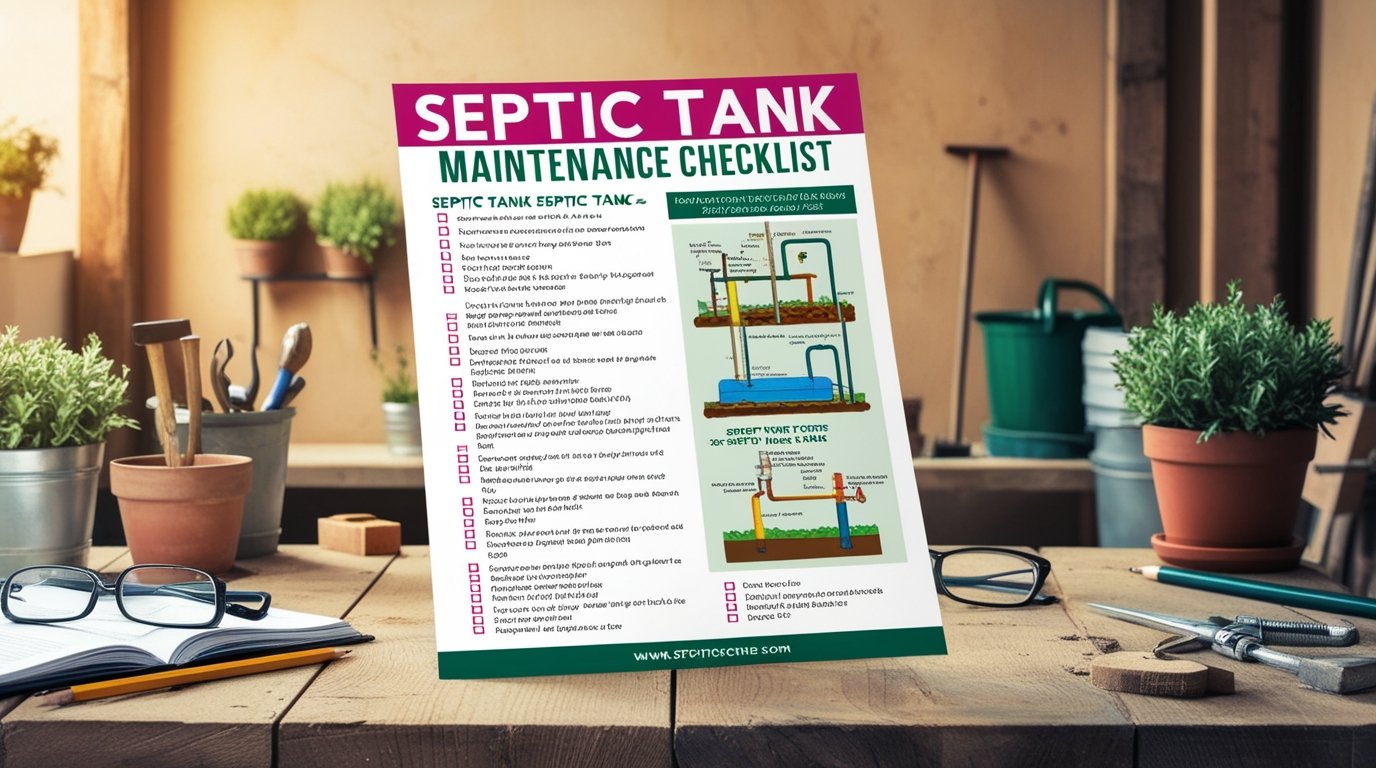
 septic tank maintenance checklist
3. Watch what goes down your sinks
Kitchen habits make a big difference:
- Scrape food scraps into the trash or compost, not the sink.
- Wipe greasy pans with a paper towel before washing them.
- Avoid pouring cooking oil, fat, or grease down the drain.
If you use a garbage disposal heavily, your tank will usually fill with solids faster, which means you’ll need more frequent pumping.
What Not to Pour Down the Drain
Certain liquids and chemicals can damage your septic system by killing beneficial bacteria or harming the drain field.
Avoid pouring:
- Paint, solvents, or paint thinners.
- Strong chemical drain cleaners.
- Pesticides or automotive fluids (like oil or antifreeze).
- Large amounts of bleach or disinfectants at once.
If you need to disinfect, use products labeled septic‑safe and follow the recommended amounts.
Simple Homeowner Checklist
You can use this checklist as a quick reference:
- Every day
- Use water efficiently.
- Only flush human waste and toilet paper.
- Keep grease, food scraps, and chemicals out of your drains.
- Every month
- Walk over the tank and drain field area.
- Check for wet spots, odors, or unusually green grass.
- Pay attention to new slow drains or gurgling sounds in your plumbing.
- Every year
- Schedule a professional inspection of the tank and drain field.
- Ask the technician to measure sludge and scum levels.
- Update your maintenance log with any recommendations.
- Every 3–5 years (or as advised)
- Have the tank pumped before sludge and scum get too close to the outlet.
When to Call a Professional Right Away
Don’t wait if you notice any of these red flags:
- Sewage backing up into sinks, showers, or toilets.
- Strong sewage odors inside the home.
- Standing water or sewage on the ground near the tank or drain field.
- Multiple fixtures draining slowly at the same time.
These signs suggest a serious problem that needs immediate professional attention to prevent further damage.
Supporting Your System With Biological Treatments
A healthy septic tank depends on billions of bacteria that digest organic waste. To support these natural processes, many homeowners use biological treatments such as bacteria‑based products or oxygen‑releasing tablets.
Used regularly and according to the directions, these products can help:
- Support the breakdown of sludge and scum.
- Reduce the likelihood of odors.
- Keep the system working more smoothly between pumpings.
Recommended: Septifix tablets
One popular and easy-to-use option is Septifix. These are flushable tablets that dissolve in your tank and are specially formulated to:
- Release oxygen into the wastewater, creating a better environment for beneficial bacteria.
- Help break down organic waste, fats, paper, and grease more effectively.
- Reduce sludge buildup and control odors between pumpings.
Homeowners often use Septifix every 3–4 months (following the dosage instructions for their tank size). When combined with the daily, monthly, and yearly habits from this checklist, Septifix can be a simple way to support your system’s natural biology and extend the time between professional pumpings.
They are not a replacement for pumping or inspections, but they’re an affordable, low-effort addition to your maintenance routine that many find helpful.
Septic Tank Maintenance Checklist
https://myseptictank.com/septic-tank-maintenance-checklist-basics-for-beginners/